How to Prevent Mold in Your HVAC System During Humid Summer Months
Preventing mold in your HVAC system during humid summer months requires consistent maintenance, proper humidity control, and regular filter changes. Focus on keeping moisture levels below 60%, ensuring adequate airflow, and scheduling professional inspections to catch issues early before mold establishes itself in your ductwork or equipment.
Understanding Why Mold Thrives in Summer HVAC Systems
Charleston's humid summers create perfect conditions for mold growth in HVAC systems. With average July highs around 89°F and humidity levels that push heat indexes above 100°F, your air conditioning system works overtime to cool and dehumidify your home. When moisture accumulates in ductwork, drain pans, or around coils, it provides the damp environment mold spores need to multiply rapidly.
Mold growth typically occurs in areas where condensation forms regularly. Your evaporator coils, condensate drain pans, and ductwork in unconditioned spaces like crawlspaces or attics are particularly vulnerable. Without proper prevention measures, these areas can become breeding grounds for harmful mold colonies that circulate throughout your home.
Essential Steps to Prevent Mold HVAC System Growth
Regular filter replacement forms the foundation of mold prevention. Change your HVAC filters every 30-60 days during peak summer months, using high-efficiency filters rated MERV 8-11. Clean filters trap mold spores before they enter your system and ensure proper airflow that prevents moisture buildup.
Maintain indoor humidity levels between 30-50% using your air conditioning system's dehumidification capabilities. In areas like Mount Pleasant and West Ashley, where humidity can be especially problematic, consider installing a whole-house dehumidifier to supplement your AC's moisture removal. Monitor humidity with digital hygrometers placed throughout your home.
Keep condensate drains clear and flowing properly. These drains remove moisture from your system, but clogs can cause water to back up and create ideal conditions for mold. Pour a cup of white vinegar down the drain monthly to prevent algae and mold buildup. If you notice standing water around your indoor unit, contact a professional immediately.
Professional Maintenance and Inspection
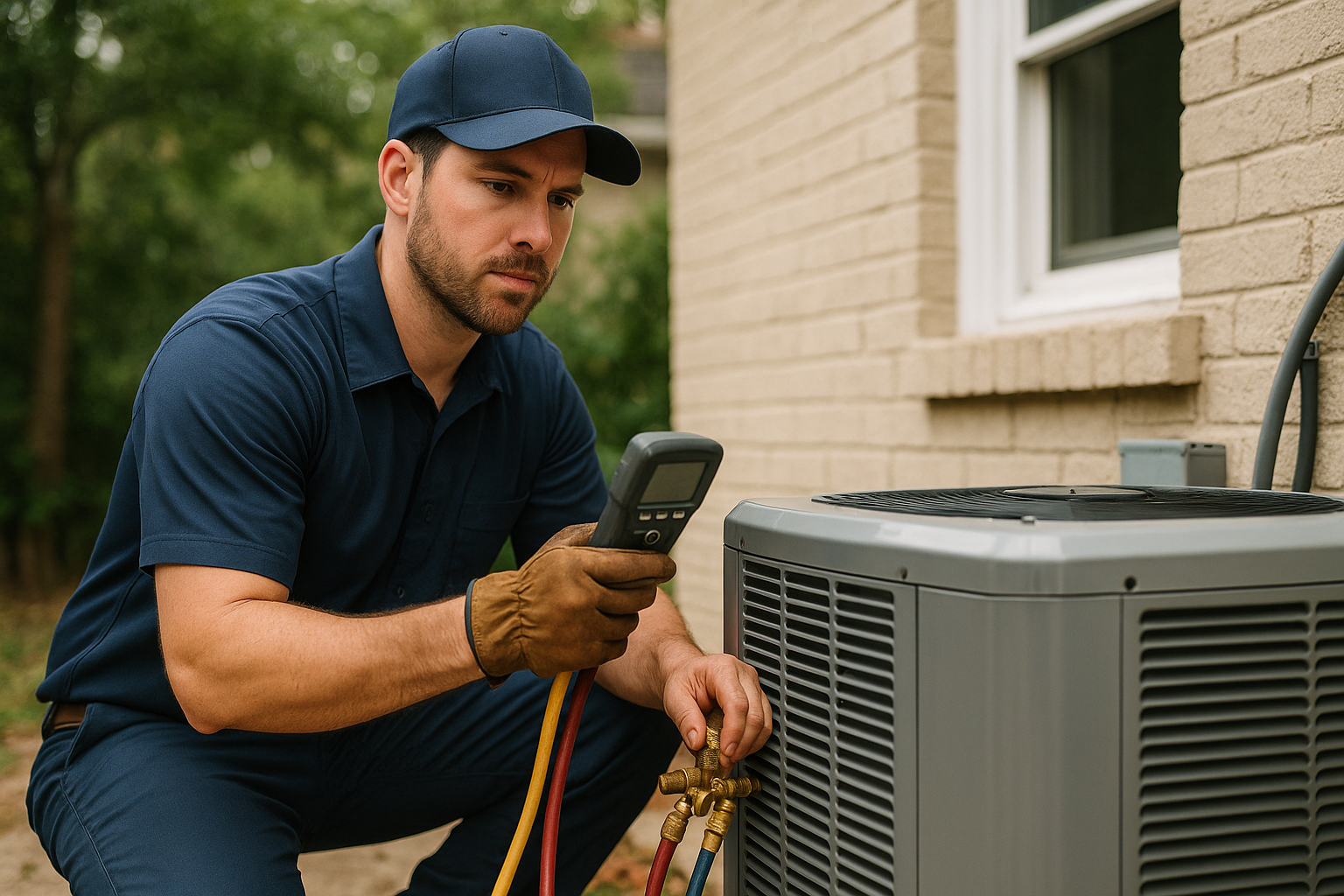
Schedule professional HVAC maintenance twice yearly, with one service call before summer begins. Qualified technicians can clean evaporator coils, inspect ductwork for moisture issues, and ensure your system operates efficiently. They'll also check for proper refrigerant levels, which affect your system's ability to remove humidity effectively.
Professional duct cleaning every 3-5 years helps remove accumulated dust, debris, and potential mold growth from your ductwork. This is especially important in Charleston's climate where high humidity can cause organic materials in ducts to support mold growth. Look for certified technicians who use proper containment and HEPA filtration during cleaning.
Additional Prevention Strategies
Ensure proper ventilation in bathrooms, kitchens, and laundry areas to reduce overall home humidity. Use exhaust fans during and after activities that generate moisture, and make sure these fans vent outside rather than into attics or crawlspaces.
Seal air leaks around ductwork, especially in unconditioned spaces. Leaky ducts can draw in humid outside air and create condensation problems. Professional duct sealing typically costs $1,500-$3,500 but improves efficiency and reduces mold risk significantly.
Consider upgrading to a programmable or smart thermostat that maintains consistent temperatures and humidity levels. Frequent temperature fluctuations can cause condensation as warm, humid air contacts cooler surfaces in your HVAC system.
Warning Signs and When to Call Professionals
Watch for musty odors when your system runs, visible mold growth around vents or on accessible ductwork, and unexplained respiratory symptoms that worsen when indoors. Water stains around your indoor unit or excessive moisture in supply registers also indicate potential problems.
If you suspect mold in your HVAC system, don't attempt DIY removal. Disturbing mold colonies without proper containment can spread spores throughout your home. Professional remediation typically costs $2,000-$6,000 depending on the extent of contamination, but it's essential for protecting your family's health.
Remember that preventing mold in your HVAC system during humid summer months is an ongoing process requiring consistent attention to maintenance, humidity control, and professional care. Taking these preventive steps now can save you thousands in remediation costs and protect your family's indoor air quality throughout Charleston's challenging summer climate.
Frequently Asked Questions
- How often should I change HVAC filters to prevent mold during summer?
- Change filters every 30-60 days during humid summer months. Use MERV 8-11 rated filters for optimal mold spore capture while maintaining proper airflow through your system.
- What humidity level prevents mold growth in HVAC systems?
- Maintain indoor humidity between 30-50% to prevent mold growth. Use your AC's dehumidification or add a whole-house dehumidifier in extremely humid climates like Charleston's summers.
- Can I clean mold from my HVAC system myself?
- Never attempt DIY mold removal from HVAC systems. Disturbing mold without proper containment spreads spores throughout your home. Always hire certified professionals for safe remediation.
- How much does professional HVAC mold prevention maintenance cost?
- Professional HVAC maintenance typically costs $150-$300 per visit. Duct cleaning ranges $400-$1,000. These investments prevent costly mold remediation that can cost $2,000-$6,000.
- What are early warning signs of mold in my HVAC system?
- Watch for musty odors when the system runs, visible growth around vents, water stains near indoor units, and respiratory symptoms that worsen indoors.
About the author: Matt Fowkes, Founder. Matt Fowkes founded the operator to connect homeowners with vetted local service professionals. He's spent over a decade studying how online directories and matching services work — what makes them trustworthy, what makes them fast, and why most fail homeowners.
More hvac guides for Charleston
Need hvac help in Charleston?
Get matched with a vetted local pro — free, no obligation.